
Coastal Cleaning Solutions

Cleaner Shores.
Healthier Coastal Environments.

Professional beach-cleaning solutions combining suitable machinery, organized operations, and responsible waste handling to help maintain cleaner coastal environments.

Coastal care, planned for the site

Protecting Our Coastlines Through Better Cleaning

Beaches can accumulate litter and debris from tourism, recreation, nearby settlements, and other sources. Regular cleaning, paired with suitable waste-management practices, helps maintain coastal cleanliness and public use of beach environments.

Ecostan Infra's beach-cleaning service information includes mechanical beach cleaning, manual support for sensitive or inaccessible areas, waste segregation and disposal, and public-awareness activities. The approach should reflect each site's conditions and requirements.

  • Organized beach-cleaning operations.
  • Removal of suitable litter and debris.
  • Equipment and methods selected for beach conditions.
  • Responsible collection, transportation, and handling of collected waste.
  • Support for coastal maintenance and cleanliness awareness.
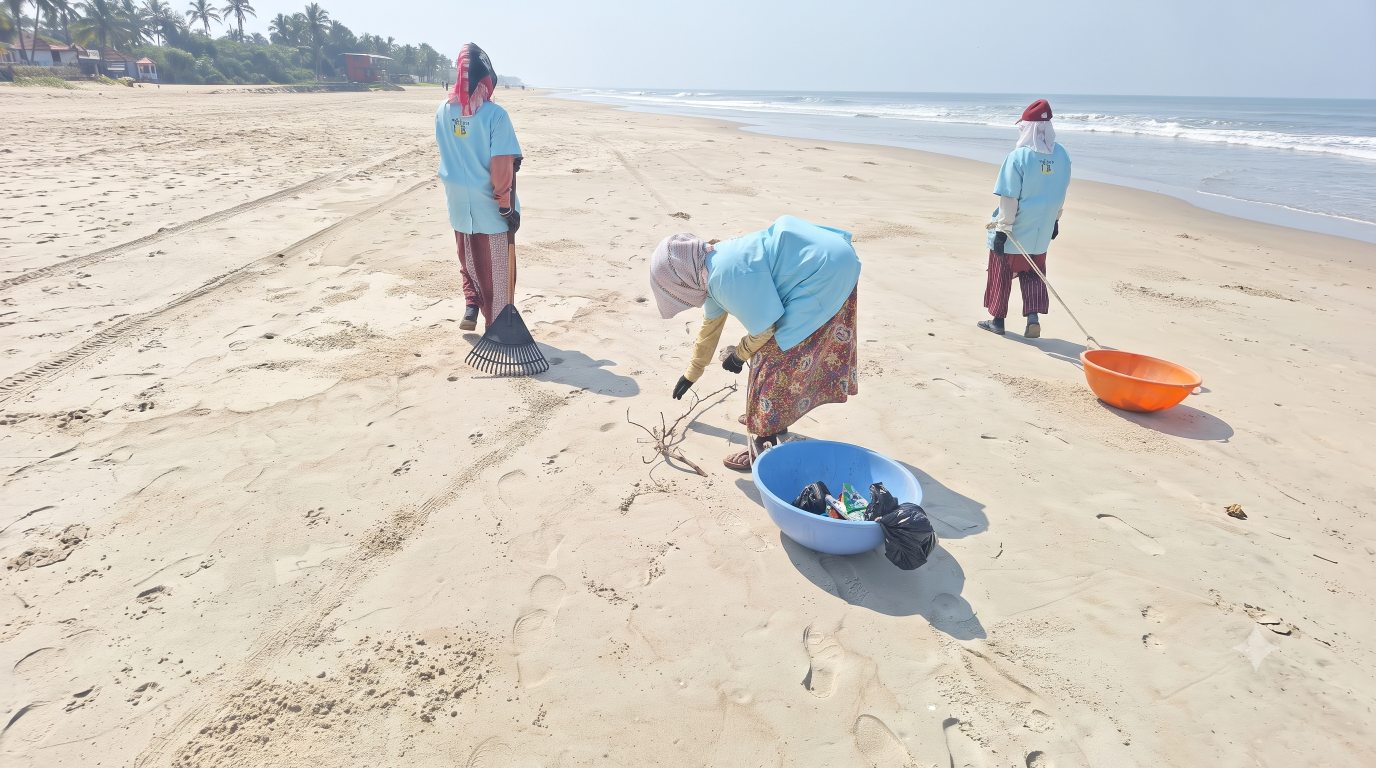
Workers collecting litter along a sandy beach
Cleaning methods can be adapted to the access and conditions of each area.

A considered site approach

How Our Beach-Cleaning Process Works

Plan the work around site conditions, the type of debris, and the service requirements.

  1. 01

    Stage 01

    Site Assessment

    Review the beach area and cleaning requirements, including the type and distribution of litter and debris.

    Planning considerations

    Consider sand conditions, slope, access, tides, sensitive areas, and public activity when planning operations.
  2. 02

    Stage 02

    Equipment and Method Selection

    Select equipment and working methods to suit beach conditions and the debris to be collected.

    Adapting the method

    Balance mechanical cleaning with manual collection in sensitive or inaccessible areas, following site-specific operating and environmental requirements.

  3. 03

    Stage 03

    Beach-Cleaning Operations

    Organize working zones and cleaning routes to collect targeted surface litter and debris.

    Working to site conditions

    Adjust the method to the beach's physical conditions and operational needs. Equipment suitability depends on the site.

  4. 04

    Stage 04

    Collection and Segregation

    Collect material gathered during cleaning and separate recyclable or other material fractions where practical.

    Safe material handling

    Sharp objects and potentially hazardous materials require suitable safety procedures and should not be handled as ordinary litter.

  5. 05

    Stage 05

    Transportation and Responsible Handling

    Move collected waste to designated handling locations and suitable downstream facilities where available.

    Appropriate waste routes

    Direct recyclable fractions to appropriate facilities where feasible and manage residual waste through suitable authorized routes.

  6. 06

    Stage 06

    Inspection and Maintenance

    Review cleaned areas and identify locations that may need further attention or repeat cleaning.

    Ongoing service planning

    Plan repeat cleaning according to site conditions and service requirements; maintain machinery and document work as required by the project.

Site-specific planning: The sequence, equipment, and cleaning frequency depend on beach conditions, environmental requirements, debris characteristics, and the agreed service scope.

Operations and support

The Right Equipment for Coastal Cleaning

Cleaning methods are selected for the site, with mechanical cleaning and manual support included in Ecostan Infra's listed service approach.

Discuss site requirements
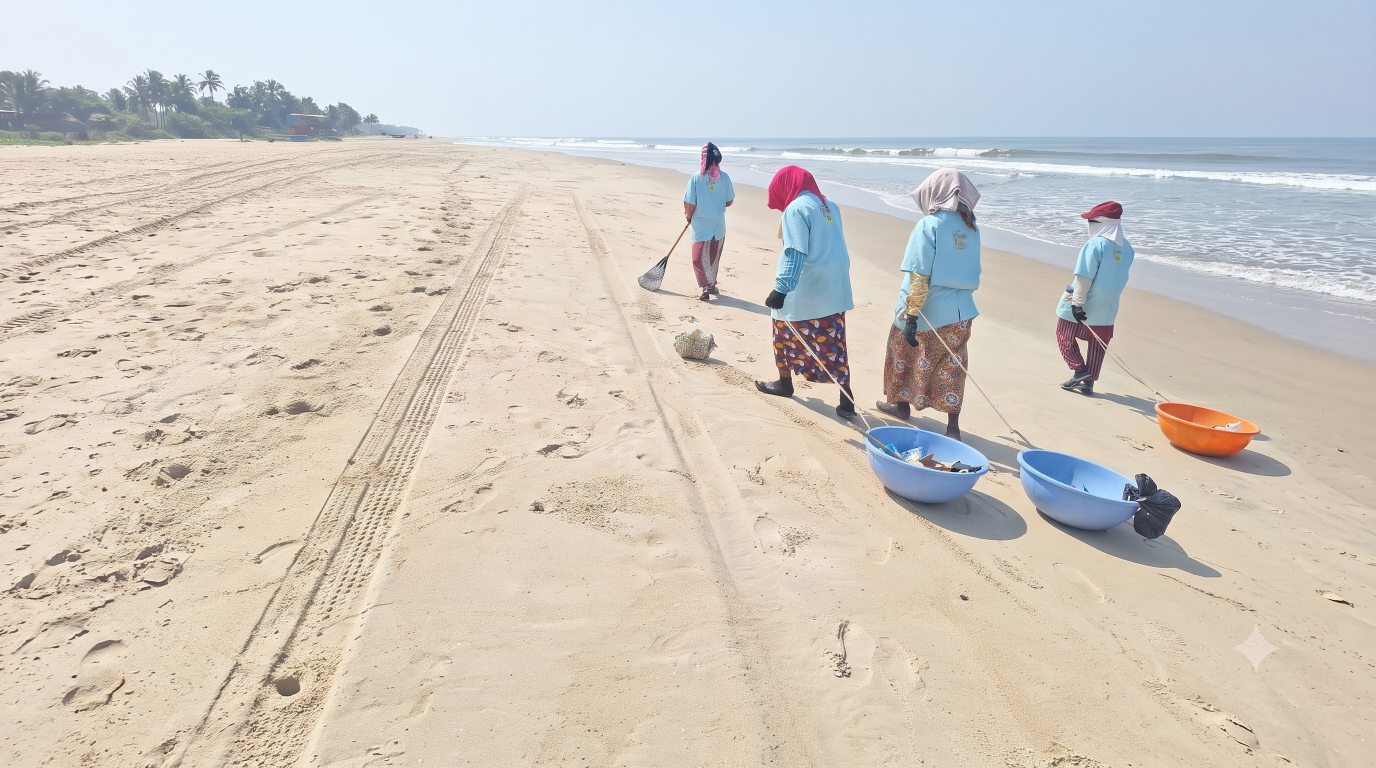
Beach-cleaning team working together along the shoreline

Mechanical and manual methods

Site-Suitable Cleaning Operations

Mechanical cleaning and manual support can be planned according to beach access, site conditions, and the cleaning requirements.

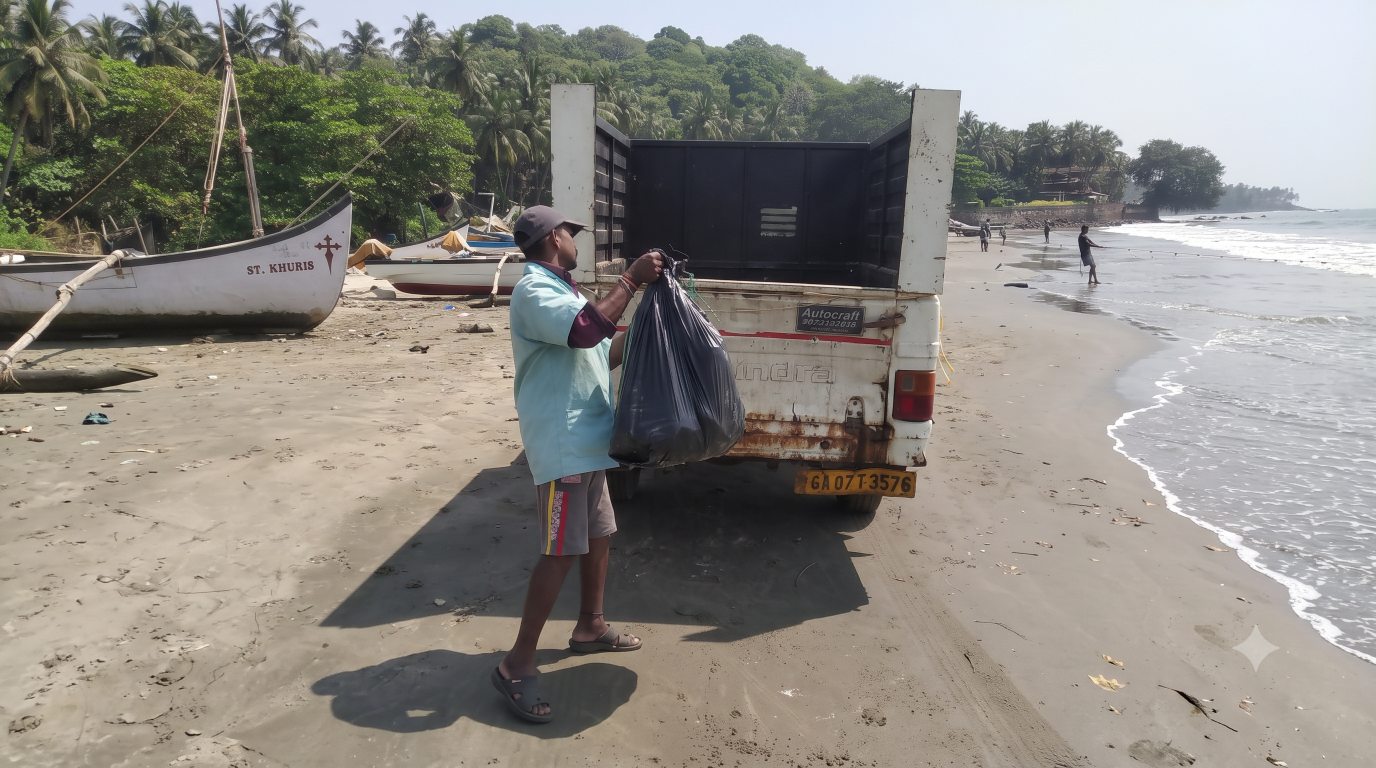
Worker collecting beach litter beside a waste collection vehicle

Manual cleaning support

Sensitive and Inaccessible Areas

Manual collection support is part of the listed service offering for sensitive or inaccessible zones.

A coordinated service

A More Organized Approach to Beach Maintenance

Cleaner public beach areas

Plan regular cleaning activity to help maintain cleanliness for public use.

Organized litter collection

Coordinate cleaning zones, collection, and the handling of gathered debris.

Site-suitable methods

Select equipment and manual support according to site conditions.

Responsible waste handling

Segregate collected fractions where appropriate and identify suitable waste routes.

Support for ongoing maintenance

Adapt repeat cleaning to the beach and the service requirements.

Ecostan Infra approach

Cleaning That Responds to the Coast

Ecostan Infra's beach-cleaning service combines operational and public-facing activities described in its existing service information.

  • Mechanical beach cleaningUse mechanical cleaning where suitable to the beach and the operating plan.
  • Manual cleaning supportPlan manual support for sensitive or inaccessible zones.
  • Waste segregation and disposalSeparate recyclable and non-recyclable fractions where appropriate and follow suitable local handling routes.
  • Awareness activitiesPublic engagement, cleanliness-awareness events, and signages are included in the listed service scope.

Helpful information

Frequently Asked Questions

Beach-cleaning plans depend on the particular coastline, operating needs, and applicable requirements.

What is mechanized beach cleaning?

Mechanized beach cleaning uses suitable machinery to collect targeted surface litter and debris from beach areas where the terrain and operating conditions allow.

How is suitable beach-cleaning equipment selected?

Selection depends on sand conditions, beach slope, access, debris characteristics, sensitive areas, and the project operating plan.

Can beach cleaning be performed on different types of sand?

Methods and equipment suitability vary with sand and shoreline conditions. A site assessment helps determine the appropriate approach.

What happens to the waste collected during cleaning?

Collected material can be segregated where practical, transported to designated handling locations, and managed through suitable routes in accordance with local requirements.

How often should a beach be cleaned?

Cleaning frequency depends on debris levels, public activity, local conditions, and the agreed service requirements.

Can methods be adapted for environmentally sensitive areas?

Yes. The method should account for sensitive or inaccessible zones and follow site-specific environmental and operating requirements.

Start a conversation

Let's Work Towards Cleaner Shores.

Discuss your coastal-cleaning requirements with Ecostan Infra and explore a suitable approach for your site.