Integrated municipal waste solutions

Fresh Waste Management.
From Collection to Resource Recovery.

Integrated solutions for the collection, transportation, segregation, and responsible processing of freshly generated waste—helping communities move towards cleaner and more resource-efficient systems.

Everyday waste, thoughtfully managed

Managing Fresh Waste the Smarter Way

Fresh municipal solid waste from households, commercial establishments, institutions, and other sources needs an organized system for collection, transportation, segregation, processing, and appropriate disposal.

Planning these activities together helps direct suitable materials towards treatment or recovery, while managing residual waste through appropriate routes. The right approach depends on local arrangements, waste composition, and facility capabilities.

  • Organize daily waste collection and transportation.
  • Support separation of recyclable, biodegradable, and residual waste.
  • Enable suitable treatment and recovery of materials.
  • Manage residual waste responsibly and in accordance with applicable requirements.
  • Support cleaner neighbourhoods and more efficient municipal operations.
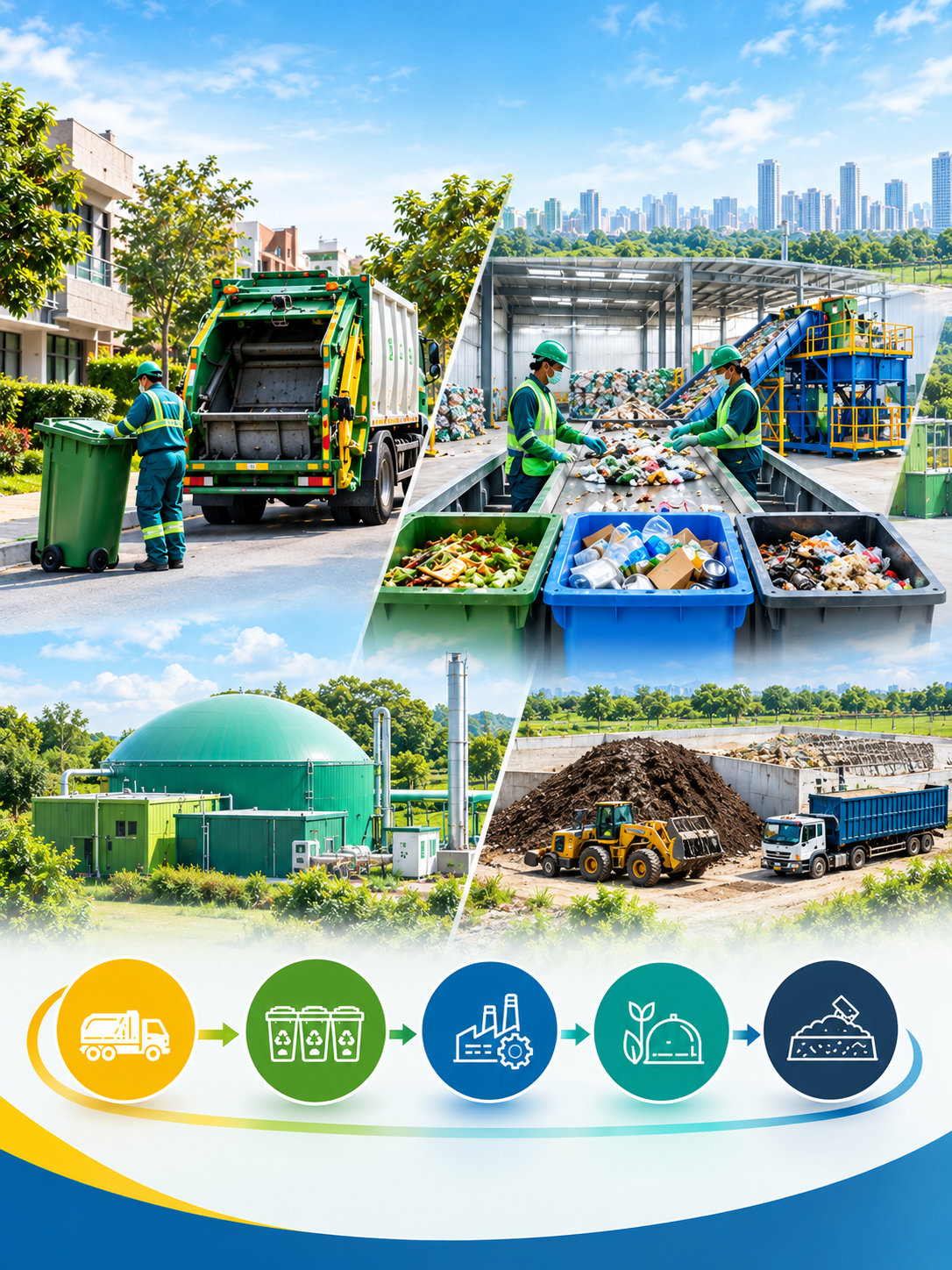
Illustrated fresh waste journey showing collection, segregation, processing, organic treatment, and responsible disposal
Collection and processing systems are planned to suit local requirements.

A clear, adaptable workflow

How Fresh Waste Management Works

Follow the journey of freshly generated waste through an organized management system.

Eight stages. One coordinated approach.
  1. Stage 01

    Waste Generation and Source Segregation

    Waste arises from homes, markets, offices, businesses, and institutions. Where local rules provide, separating wet, dry, and domestic hazardous waste helps improve downstream handling.

    Why source segregation matters

    Keeping waste streams appropriately separated can support suitable processing and recovery. Follow the locally applicable segregation requirements.

  2. Stage 02

    Door-to-Door Collection

    Waste is collected from designated households and establishments. Routes, collection systems, and service schedules are planned to meet local operating requirements.

    Collection planning

    Appropriate vehicles and collection systems can help coordinate regular pickup across the service area.

  3. Stage 03

    Transportation and Transfer

    Collected waste is moved in suitable vehicles. Transfer stations or compactors may be used when required by the operating plan.

    Coordinating the movement

    Route planning and vehicle coordination support organized movement between collection areas and designated facilities.

  4. Stage 04

    Receiving and Waste Inspection

    At the designated facility, incoming material can be inspected and recorded in accordance with facility procedures and assessed for suitable management routes.

    Facility assessment

    Waste composition, site procedures, and facility capabilities inform the processing and recovery options selected.

  5. Stage 05

    Mechanical Segregation and Screening

    Where suitable, mechanical equipment separates materials into different fractions. Screening and sorting methods depend on waste composition and facility design.

    Screening and sorting

    Trommel screening and other suitable mechanical approaches can help identify recyclable or useful fractions where feasible.

  6. Stage 06

    Organic Waste Processing

    Suitable biodegradable fractions may be treated through composting or other approved methods, depending on incoming waste quality and treatment conditions.

    Using treatment outputs

    Any resulting product should be used only when its quality meets the relevant requirements and a suitable use is available.

  7. Stage 07

    Recyclable Material Recovery

    Suitable dry recyclables can be separated and directed to authorized recycling channels according to their quality and available downstream facilities.

    Responsible recovery

    Segregation can improve recovery opportunities; not every material is suitable for recycling or reuse.

  8. Stage 08

    Residual Waste Management

    Material not recovered or treated through selected processes requires an appropriate authorized treatment or disposal route under applicable requirements.

    Safeguards for residuals

    Prioritize feasible recovery while maintaining environmental safeguards and following relevant regulatory requirements.

Important: The appropriate process varies with waste composition, local segregation arrangements, facility capabilities, and the approved operating plan. Not every waste stream passes through every stage.

Operations and infrastructure

Technology That Supports Efficient Waste Processing

Equipment and working methods are selected to suit service requirements, material characteristics, and facility design.

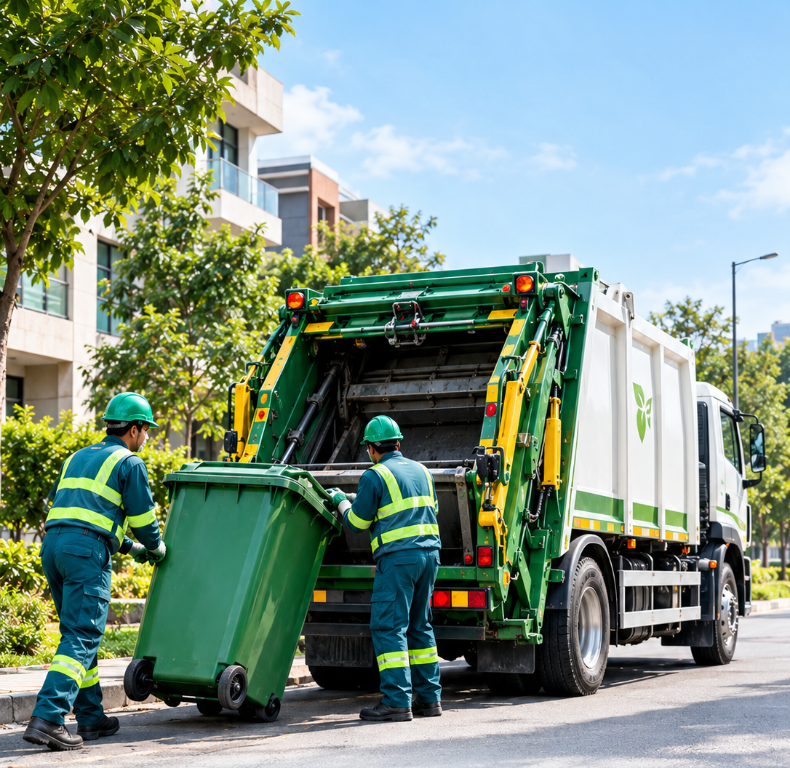
Municipal collection crew loading a wheelie bin into a waste collection truck

Collection systems

Collection and Transportation

Organized collection and suitable transportation support the movement of waste to designated facilities.

Explore services
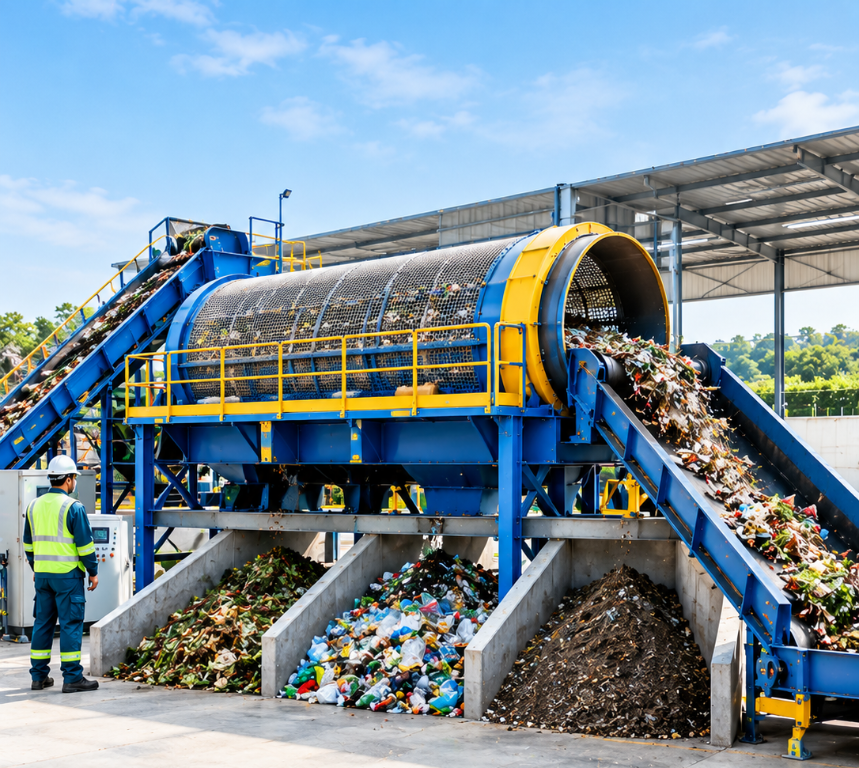
Trommel screening plant separating waste into material fractions

Mechanical processing

Trommel Screening

Screening equipment can separate suitable waste fractions as part of a facility-specific operating plan.

Explore solutions
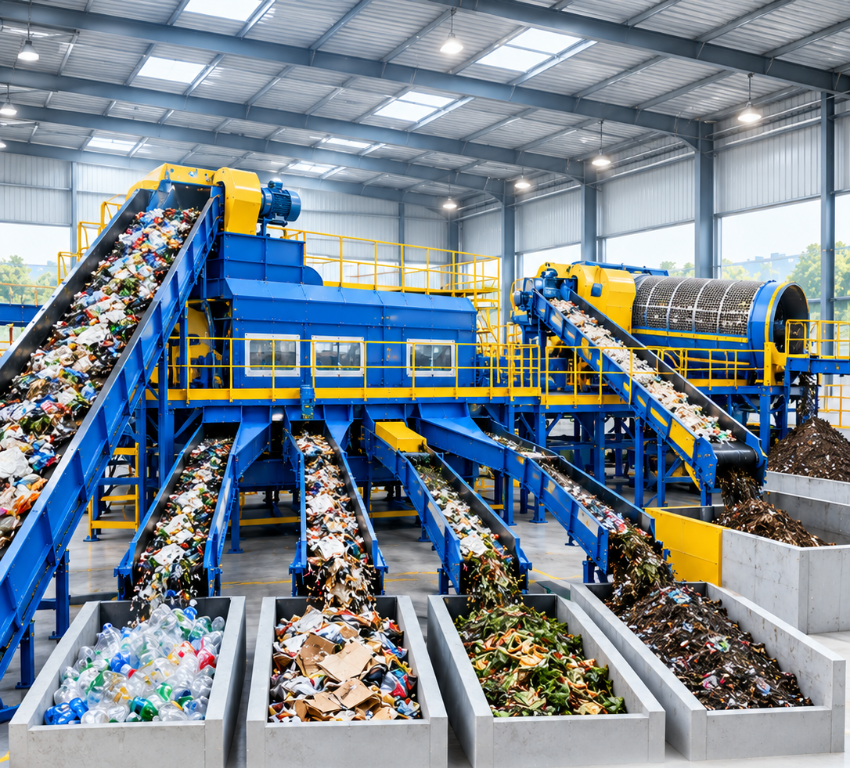
Automated recycling sorting facility with conveyor belts and separated material streams

Processing facilities

Sorting and Resource Recovery

Facility layouts and process choices are matched to incoming materials and suitable recovery pathways.

Explore solutions

A coordinated system

Building a More Efficient Waste Management System

Organized collection

Plan collection and transportation around local service needs.

Improved segregation

Support appropriate separation at source and during processing.

Recovery opportunities

Direct suitable recyclable materials towards authorized channels.

Suitable organic treatment

Consider treatment options for biodegradable fractions where appropriate.

Responsible residual handling

Identify suitable routes for material that cannot be recovered.

Verified project experience

Waste Management in Action

Explore a documented collection project from Ecostan Infra's portfolio.

View All Projects
Goa Waste Collection Project portfolio photograph

Goa

Goa Waste Collection Project

The existing project listing describes daily manual waste collection to support cleaner public spaces and responsible handling of collected waste.

Listed as ongoing; current operations are subject to confirmation.

View project details

Helpful information

Frequently Asked Questions

Learn more about fresh waste management and the choices that shape a local system.

What is fresh waste management?

It is the organized handling of newly generated municipal solid waste through collection, transportation, segregation, appropriate processing, recovery, and responsible residual management.

Why is source segregation important?

Separating waste according to local requirements can help reduce mixing between materials and support suitable treatment or recovery routes.

How does door-to-door waste collection work?

Collection systems serve designated households and establishments using routes, schedules, and collection methods planned for local needs.

What happens at a waste processing facility?

Incoming waste may be inspected, sorted, screened, and directed to suitable processing, recovery, treatment, or disposal pathways according to facility procedures.

How are biodegradable and recyclable materials managed?

Suitable biodegradable fractions may be treated using approved organic waste methods. Suitable dry recyclables can be directed to authorized recycling channels based on material quality and local capacity.

What happens to residual waste?

Material that cannot be recovered or treated through selected processes should be managed through an appropriate authorized treatment or disposal route.

Can systems be customized for different municipalities or facilities?

Yes. Planning should account for local requirements, waste composition, collection arrangements, available facilities, and the approved operating plan.

Start a conversation

Let's Build a Smarter Waste Management System.

Discuss your collection, transportation, processing, and resource recovery requirements with Ecostan Infra.

ico