Transforming Legacy Waste into Sustainable Opportunities
Scientific remediation of old dumpsites through waste excavation, mechanical screening, material recovery, and responsible management of recovered materials and rejects.
Legacy waste is material that has accumulated at dumpsites over many years. Scientific remediation starts by understanding the site, then excavating and processing the accumulated waste, separating recoverable materials and managing remaining fractions responsibly.
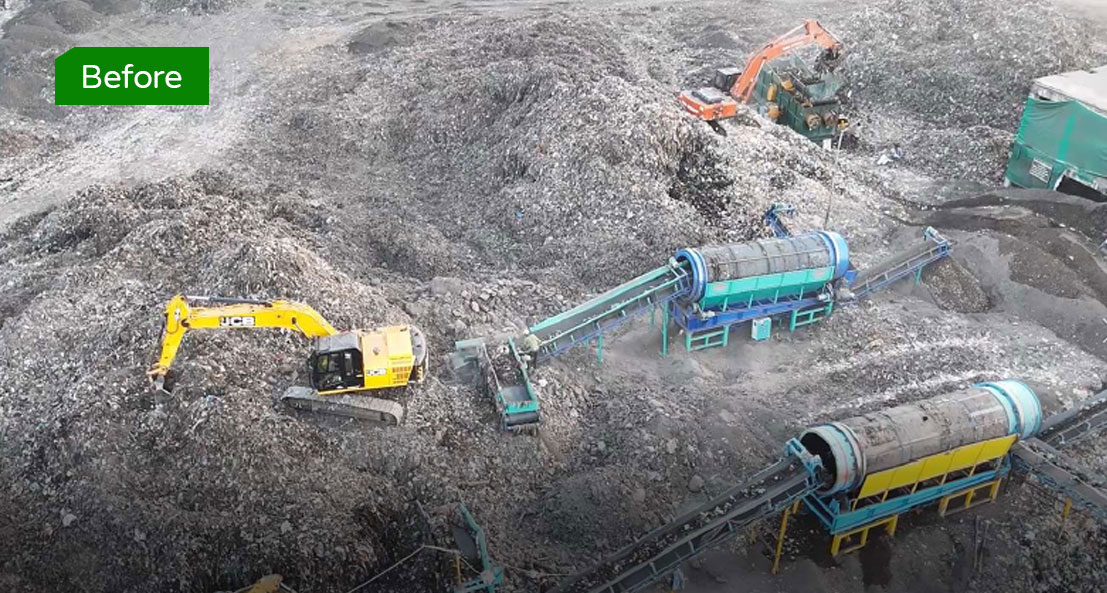
Ecostan Infra's existing service information describes bio-mining and bio-remediation, trommel screening, land reclamation and environmental monitoring as part of its legacy waste capability.
Reduce accumulated legacy waste through site-specific remediation.
Recover reusable and recyclable materials where suitable.
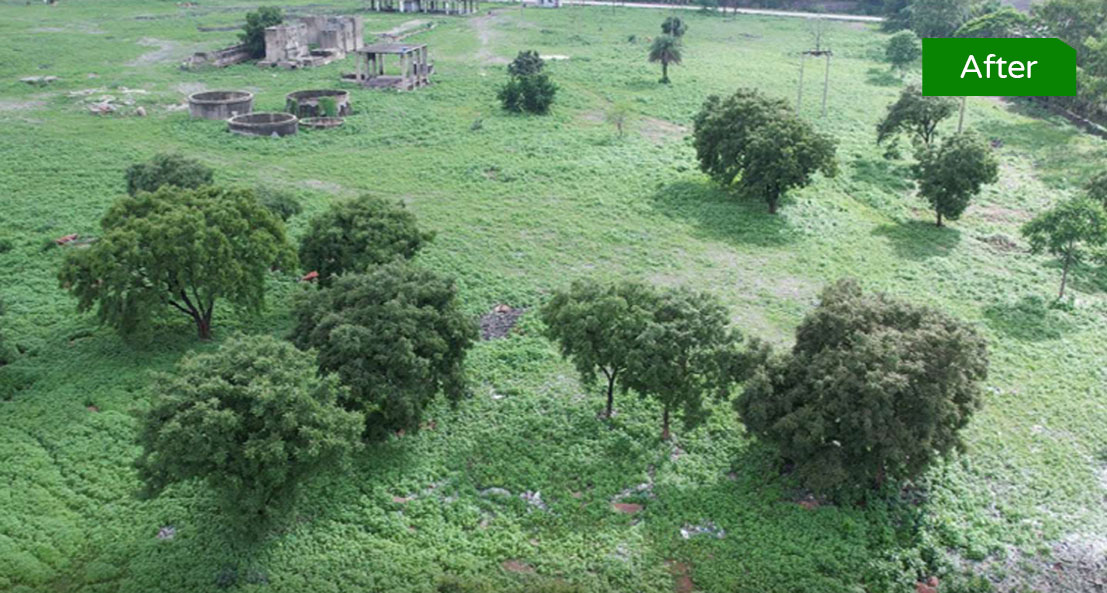
Improve the potential use of reclaimed land, subject to site conditions and approvals.
Support better management of environmental and public-health risks.
A site-specific framework
From Accumulated Waste to Resource Recovery
Explore the key stages of scientific legacy waste remediation. Each stage is separately explained; actual operations may overlap, repeat or vary according to site conditions and the approved remediation plan.
Seven stages · an illustrative sequence
01
Stage 01
Site Assessment and Characterization
Understand the dumpsite's boundaries and conditions and assess waste characteristics, site constraints and potential environmental risks.
Site assessment considerations
Survey the site and establish its boundaries and operational constraints.
Use field investigations to inform the approach to waste characteristics and environmental risks.
Determine a remediation strategy suited to the site and applicable requirements.
02
Stage 02
Waste Excavation
Excavate accumulated waste using suitable machinery in a planned and controlled manner.
Excavation considerations
Plan excavation in accordance with site conditions and the remediation approach.
Use suitable equipment and controlled handling for the waste and site.
Follow project-specific health, safety and environmental procedures.
03
Stage 03
Mechanical Screening and Separation
Feed excavated material into suitable screening equipment and separate fractions according to size and the selected process.
Screening considerations
Select screening equipment appropriate to the material and project requirements.
Use mechanical screening, including trommel machines as identified in Ecostan's service information.
Manage screened fractions according to their characteristics and the site-specific plan.
04
Stage 04
Segregation and Material Recovery
Separate recoverable materials where technically and economically feasible, and identify appropriate next steps for each fraction.
Material recovery considerations
Assess material fractions and identify suitable recyclable or otherwise useful materials.
Direct recovered materials to appropriate downstream users or authorized facilities.
Do not assume every fraction is suitable for recovery or reuse.
05
Stage 05
Management of Recovered Fractions
Evaluate soil-like material, recyclables, combustible fractions and other recovered materials based on their characteristics.
Recovered fraction considerations
Test and assess material quality where required.
Identify a suitable authorized use, treatment or disposal route for each fraction.
Apply relevant standards, requirements and approvals before material use.
06
Stage 06
Reject Treatment and Responsible Disposal
Characterize material that cannot be beneficially recovered and identify an appropriate authorized treatment or disposal route.
Reject management considerations
Identify and assess residual fractions that are not suitable for beneficial recovery.
Manage rejects through the route appropriate to their characteristics and applicable controls.
Apply environmental safeguards and regulatory requirements. Rejects do not all follow the same route.
07
Stage 07
Site Restoration and Monitoring
Assess the remediated area against project requirements and undertake site improvements where included in the scope.
Restoration and monitoring considerations
Undertake grading, land leveling or other restoration activities where specified in the project scope.
Carry out required environmental monitoring and project documentation.
Site conditions and approvals determine the appropriate future use of restored land.
Technology and operations
Engineering the Remediation Process
Equipment and working methods are selected to suit the site, waste characteristics and project requirements.
Screening equipment
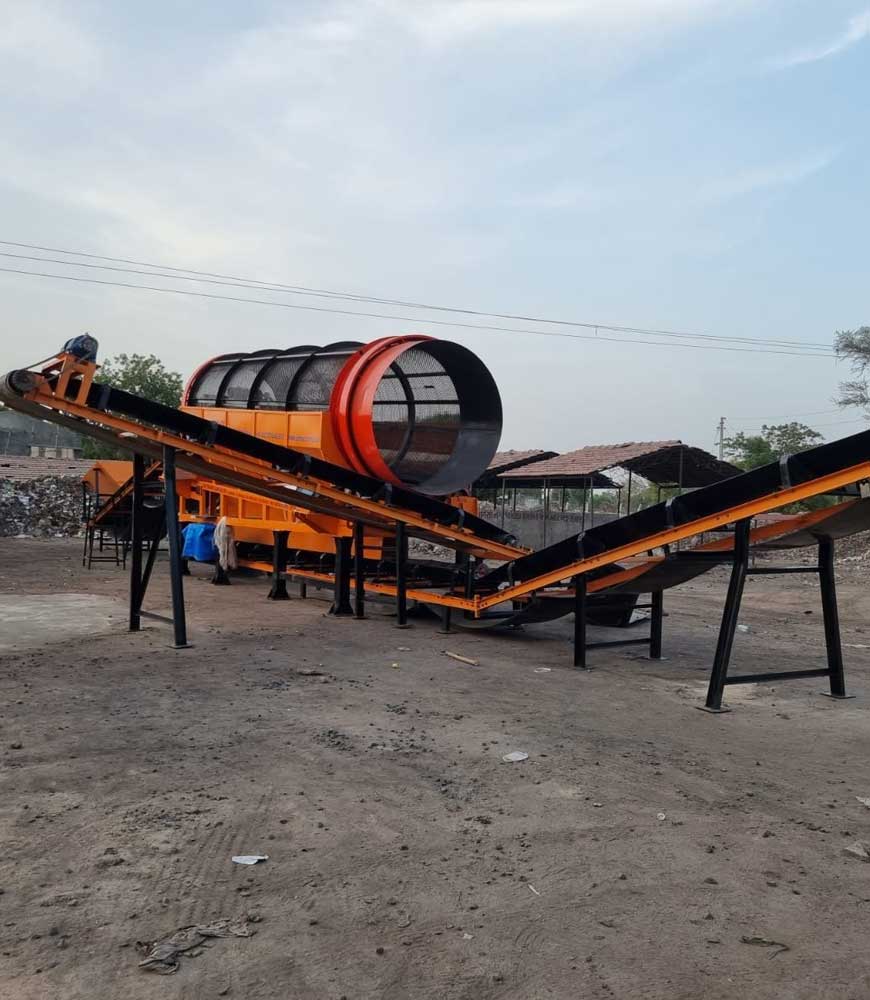
Trommel Screening
Ecostan's service information lists trommel screening machines in varied capacities for processing mixed municipal solid waste, C&D waste and other suitable materials.
Site operations
Bio-mining and Bio-remediation
Scientific segregation of legacy waste can support the recovery of suitable fractions such as RDF, compost and inerts, depending on material characteristics.
Environmental management
Site Development and Monitoring
Site leveling, landscaping and greening after waste removal, together with dust, odor and environmental monitoring measures as relevant to project requirements.
The existing service information specifically identifies trommel screening machines. The other photographs show project or operational contexts and do not represent a claim that Ecostan manufactures or supplies particular equipment.
A responsible approach
Potential Benefits, Considered Site by Site
Remediation outcomes depend on site conditions, waste composition, project scope, environmental requirements and approvals.
01
Reduce accumulated waste
Scientific processing can reduce the legacy waste remaining at a dumpsite.
02
Recover suitable materials
Reusable and recyclable fractions may be recovered where appropriate.
03
Improve site management
Planned operations can include environmental safeguards and monitoring.
04
Support potential land reclamation
Future land use depends on site conditions, project scope and required approvals.
Published project portfolio
Legacy Waste Remediation in Action
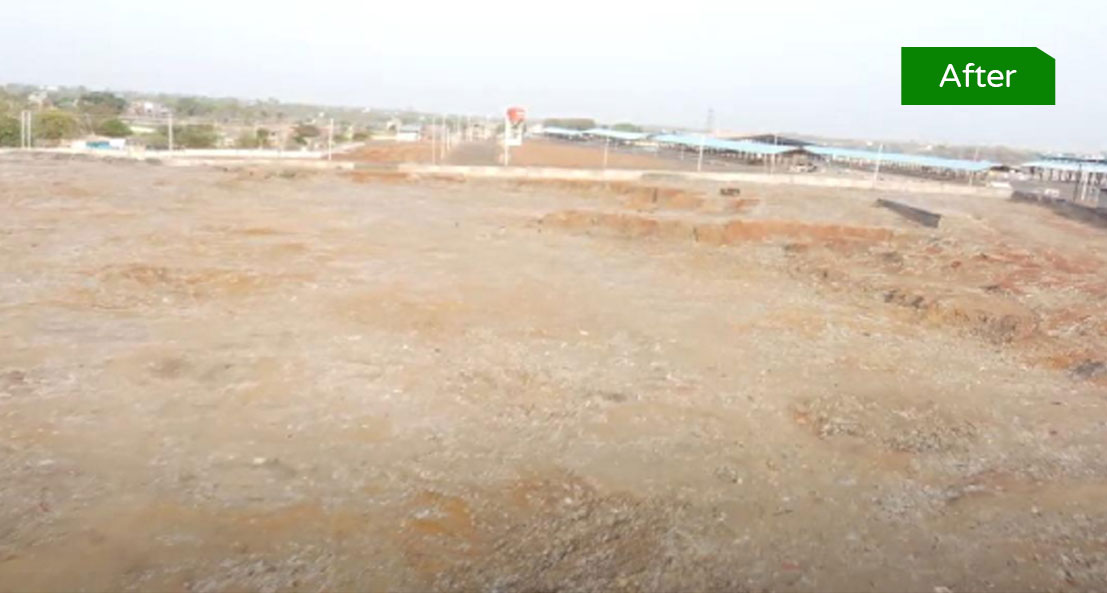
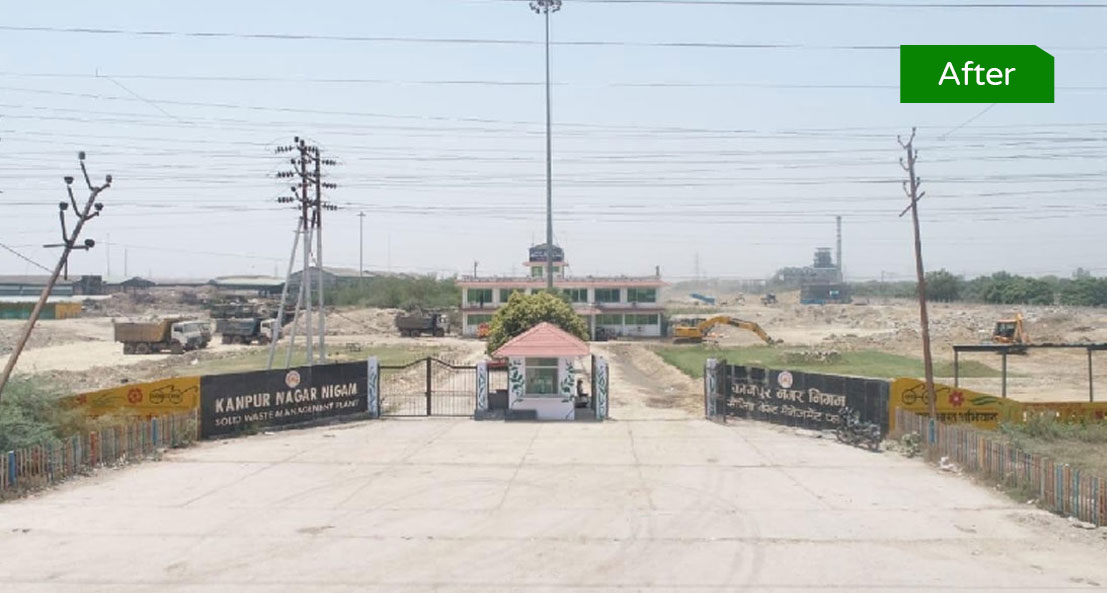
Project locations and photographs shown here are identified in Ecostan Infra's existing project information.
Each remediation plan depends on the conditions and requirements of its site.
What is legacy waste management?
It is a site-specific approach to addressing waste accumulated over time at a dumpsite. Activities may include assessment, excavation, screening, material recovery and suitable management of residual fractions.
How does biomining differ from ordinary waste disposal?
Biomining processes accumulated waste to separate potentially recoverable material fractions, rather than treating the mixed waste only as material for disposal. The approach and recovery options depend on waste characteristics and site conditions.
What happens during mechanical screening?
Excavated material is processed using suitable screening equipment to separate fractions according to particle size and the selected process. The equipment and method depend on material characteristics and project requirements.
Can materials be recovered from old dumpsites?
Some fractions may be suitable for recovery or reuse. Suitability depends on their characteristics, required testing, applicable standards, downstream users and necessary approvals.
How are processing rejects managed?
Rejects should be characterized and directed to an appropriate authorized treatment or disposal route with required environmental and regulatory safeguards. Different rejects may require different routes.
How long does a legacy waste remediation project take?
Project timelines vary with the site, waste quantities and characteristics, access, equipment, approved scope and regulatory requirements. A site assessment is needed to inform a project-specific schedule.
What factors determine the remediation method?
Relevant factors include waste composition and characteristics, site boundaries and constraints, potential environmental risks, project objectives, applicable requirements and the approved remediation plan.
Start a conversation
Ready to Address Your Legacy Waste Challenge?
Explore a site-specific approach to scientific remediation, material recovery and responsible waste management.